Okayyyy I’m going to blow your mind for a second: did you know that luxury used to mean something completely different than what we think today?
The word “luxury” originates from the Latin luxuria (excess, extravagance) and luxus (dislocation, excess). It evolved from describing negative, sinful excess or lust in the 14th century to its modern meaning of comfort, wealth and high-quality indulgence by the 17th century.
Plot twist: it started as an insult. (If you’re asking yourself what this has to do with luxury branding, please stay with me, I promise you this is gonna make sense, lol).
The Etymology Will Set You Free
In the earliest uses, it pointed to sinful excess and lust.
Latin Root (luxus/luxuria): Originally meant “excess,” “extravagance,” or “profusion.” It was also associated with “dislocation” or “strain.”
Old/Norman French (luxure): The term shifted toward meanings of “lechery,” “debauchery,” or “lust.”
Middle English (14th Century): Entered English meaning “lustful desire,” “sensual pleasure,” or “sinful self-indulgence.”
17th Century Transition: By the 1600s, the meaning shifted from negative moral excess to the modern definition: expensive, refined, comfortable, desirable goods or lifestyles.
So basically, what used to get you condemned now gets you Instagram followers. Character development. 🤪
What Luxury Branding Actually Means (Hint: It Always Did)
What if luxury was always meant to be this way?
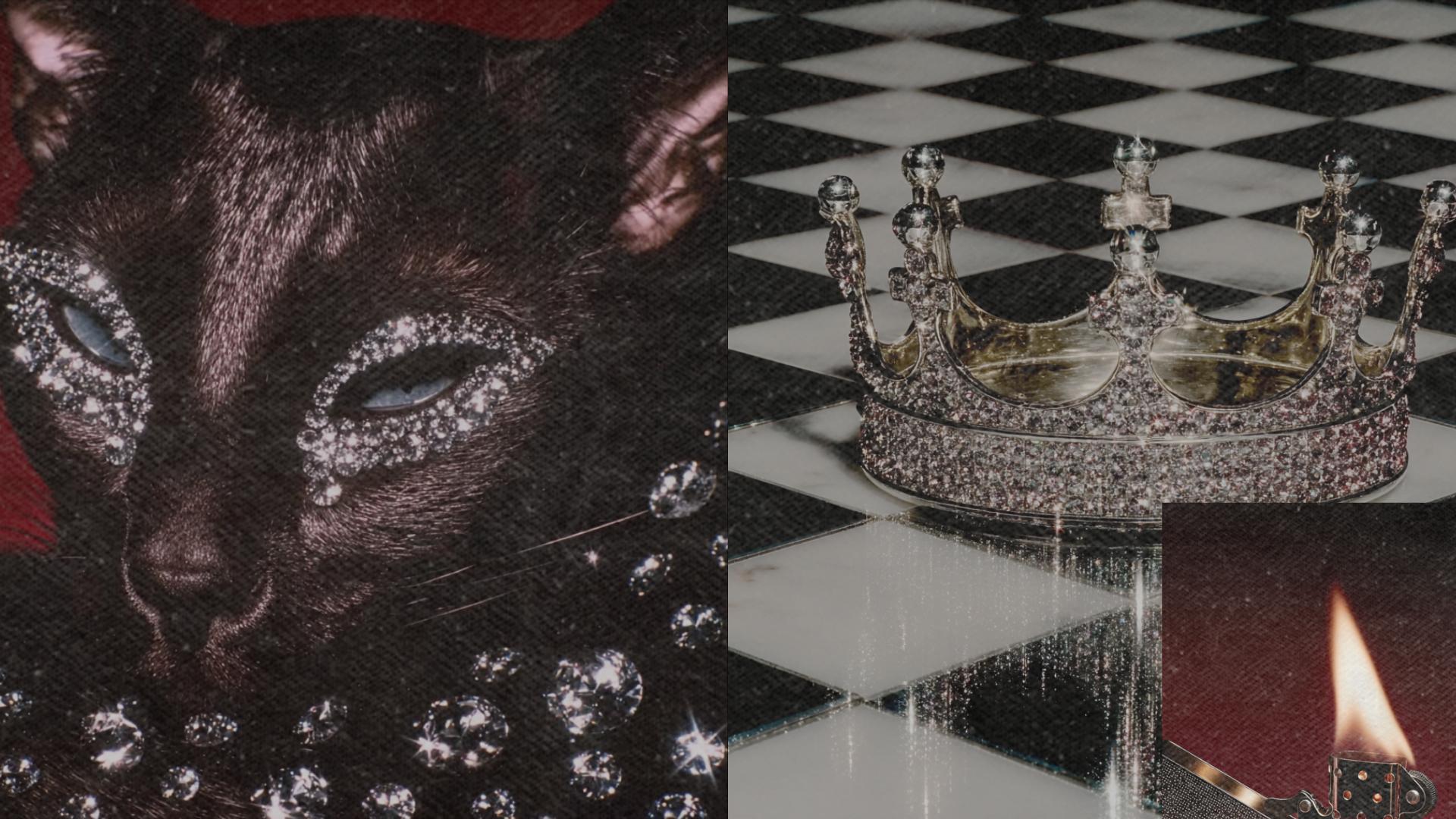
Before it got sanitized and gatekept, luxury meant excess. extravagance. boldness. personality. It was opulent. It was “too much”. It had attitude. So when I tell you that luxury is about attitude, personality and standing out, I’m not rewriting the rules, I’m going back to the original ones. It’s strategic excess. It’s artistry. It’s culture. It’s having references that span centuries because you know what the fuck you’re doing, NOT what’s trending on “luxury lifestyle” Pinterest.
The Class Myth
Somewhere along the way, luxury got hijacked by exclusivity, by price tags, by “if you have to ask, you can’t afford it” energy. It became synonymous with designer bags, mansions & private jets.
But to me, that’s not luxury. Real luxury is rooted in culture, not class. It’s about richness of attitude, emotion, skill and art; richness of everything that isn’t just money. It cares about your taste, your understanding of beauty and craftsmanship and intentionality. It’s about the how, not the how much.
Why Your Luxury Brand Feels Boring
If your brand feels boring, it’s probably because you’re chasing the wrong definition of luxury. You’re thinking: thin serif fonts, minimalist everything, neutral colors, aspirational lifestyle shots that look like every other aspirational lifestyle shot. You’re playing it safe, you’re checking boxes, you’re doing what you think luxury is supposed to look like instead of allowing yourself to express what luxury actually is: bold, opulent, full of personality.
The Strategic Excess Part
Notice I said “strategic” excess. Not random, not chaotic, not shock value for the sake of it, not just “acting unhinged” and throwing everything at the wall to see what sticks.
Strategic.
This is where the artistry comes in. This is where brand personality matters. This is where you need to actually know what you’re doing instead of just copying what looks “expensive”.
Strategic excess requires skill. It’s the difference between “more is more” and “more is intentional.” It’s knowing when to push and when to pull back. It’s understanding the cultural context of every choice you make.
Buying expensive things is easy. It just requires money. But creating something that feels luxurious in a way that stands out and actually has something to say beyond wealth signaling requires intentionality and cultural fluency—which is exactly how I approach designing your brand.
In practical terms, my method is very much about nerding out (lol) over art history, cultural references and visual storytelling to create brands that don’t just look expensive, but actually have a personality.
I approach luxury branding as a creative director, not just a graphic designer combining colors and fonts, meaning I look at brand personality as a psychological positioning and sales tool, not just “ooh pretty colors.” This means understanding the personality archetype your brand is projecting and whether it actually fits your business, your industry, and the level you want to be perceived at. (Spoiler: a lot of brands are accidentally cosplaying as the wrong archetype and wondering why nothing’s working.)
The process goes wayyyy deeper than finding a brand aesthetic on Pinterest. I help you uncover what gets you so fired up that you go from hiding behind “standard luxury” to actually wanting to show up (the stuff that really matters to you and your people, underneath all those layers of trying to look like a “tasteful professional”).
Strategically, this means knowing when to push and when to pull back, understanding the cultural and psychological context of every choice (nothing about your visuals should be random, or “for the vibes”).
So What Now?
If you want your brand to feel luxurious but not boring, stop chasing the sanitized, gatekept, country-club version of luxury that’s designed to keep you out.
Start embracing the original definition. The excess, the extravagance, the boldness, the strategic opulence. And most importantly, the personality.
Dig into culture. Study art & design history. Build your visual vocabulary beyond what’s trending on Pinterest this week. (Or, hire me to do it for you).
Luxury isn’t about money, it’s about taste. And taste is democratic as hell.